
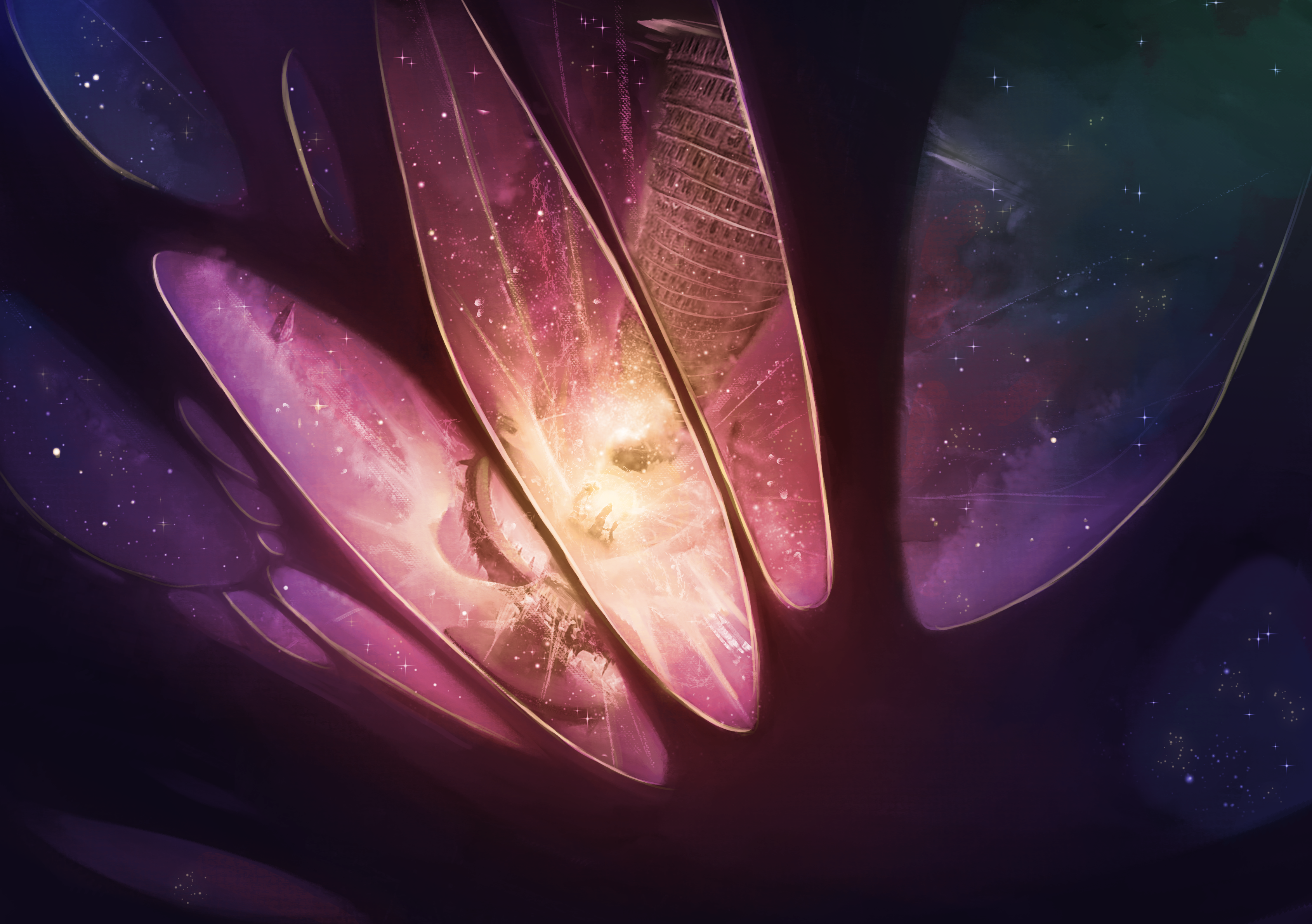
Originally, the Void wasn’t born as a “realm” or a place anyone could reach. It existed long before any living creature. There was no light, no direction, no purpose, no up or down, no time or matter as mortals understand it.
With the rise of the first conscious beings and later the arrival of the Terrans, the Void began to twist and reshape itself around foreign emotions. It fed on fear, lust, desire, pain, violence, and even faith. Every internal conflict and the Thousand-Year War twisted it further. From this turmoil came the “windows,” microscopic fractures that grew wider over the centuries, eventually allowing arcane energy to spill out with force and letting lifeforms from outside reality break through.
Those with little knowledge who encounter a tear feel disoriented and strangely fascinated, followed by a slow and miserable paranoia over the next few days. Records mention individuals who fall into psychotic episodes, left mentally unstable, claiming to see things they can’t describe. Some choose to end their own lives rather than continue living through these episodes. Reports say they feel watched by unseen presences or hear voices and sounds beyond understanding.
In more recent times, the Void’s tears have become more common. No one knows if this is a symptom of spiritual and social collapse after the Thousand-Year War, fueled by Terran cults, or if something inside the Void has finally learned to enter on its own.
Years of conflict, stigma, and being branded as demons, the Aluxes or called Imps, represent the fear, prejudice, and satire of the Gelodians toward the Colonial Terrans.
They’re described as small little bastards with oversized ears, yellow lidless eyes, and red skin, carrying a metallic stench. They wear torn tribal scraps mixed with armor plates that look fused into their flesh.
These little assholes are a plague for both Terrans and their unwilling creators, the Gelodians. They can show up almost anywhere, but they prefer places soaked in rot: under industrial bridges, inside sewer tunnels, and in abandoned warehouses. They’re nocturnal, and most of their crimes happen while everyone else is asleep.
They feed on trash, crops, and whatever living creatures they can get their hands on. Their favorite meal, however, is the newborn offspring of intelligent species. They especially prefer Gelodian infants and younglings, whom they trick, kidnap, and drag into the deepest levels of the citadels to be butchered and cooked.
They call their crimes “pranks.” These include theft of belongings, arson, gang rape, nighttime ambushes, destruction of homes, and, when they get too excited, entire massacres of entire complexes or districts.
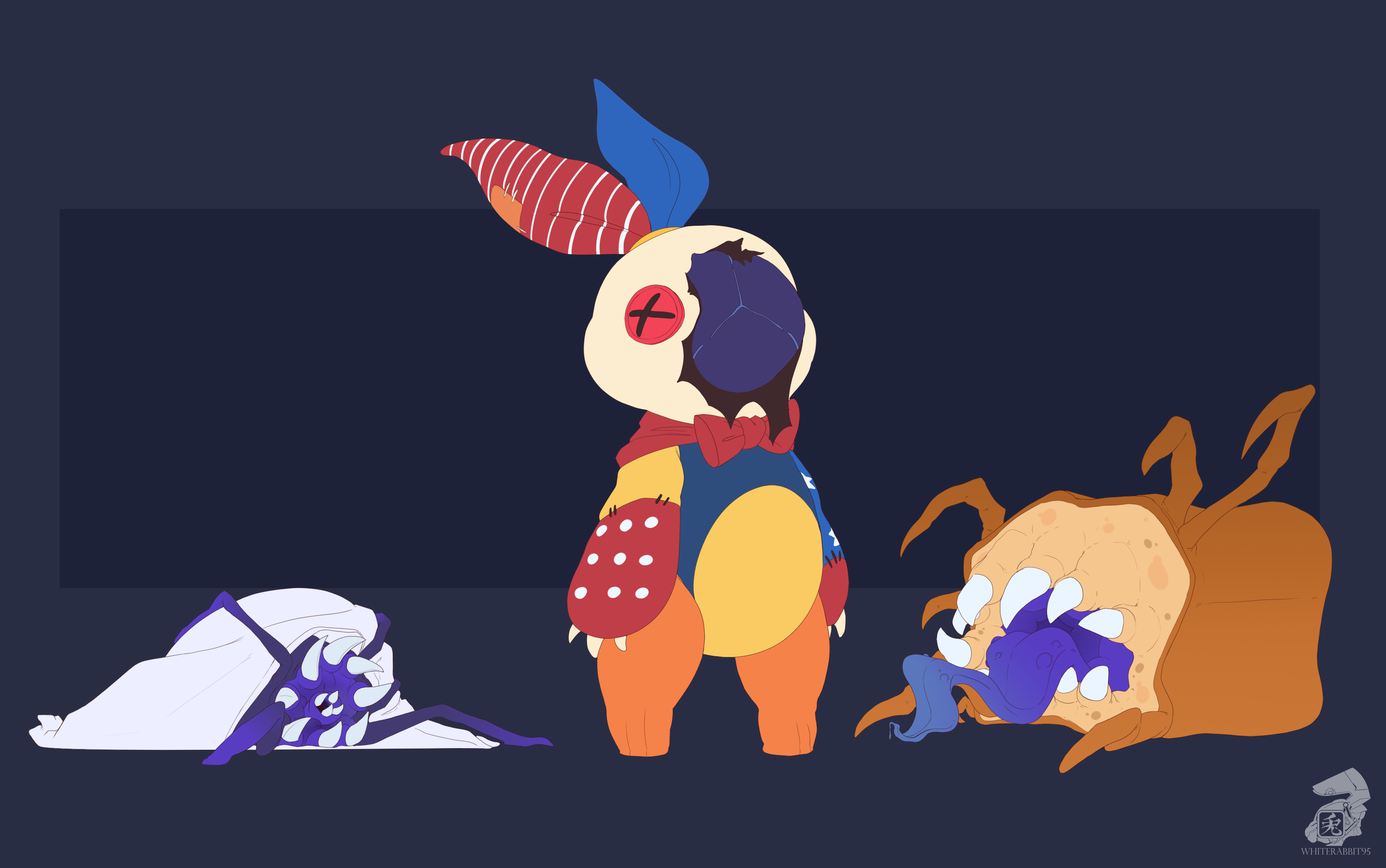
These beings are the manifestation of a failed attempt by the Void to break into reality, seeping into inert objects. Some believe this is an attempt by the Void to copy reality, or a reflection of the fear of losing meaning.
They are grotesque and sometimes adopt insect-like traits, occupying parts of the original object from which they emerged. They are not “alive.” They have no soul, will, or purpose. They only replicate crude, primal impulses, causing them to attack, not out of hunger, but because anger is the easiest emotion for them to imitate.
Their level of danger varies depending on the contaminated object. The larger the object and the more it has been used in daily life, the more emotional energy it absorbs and the more aggressive the form-shell becomes.
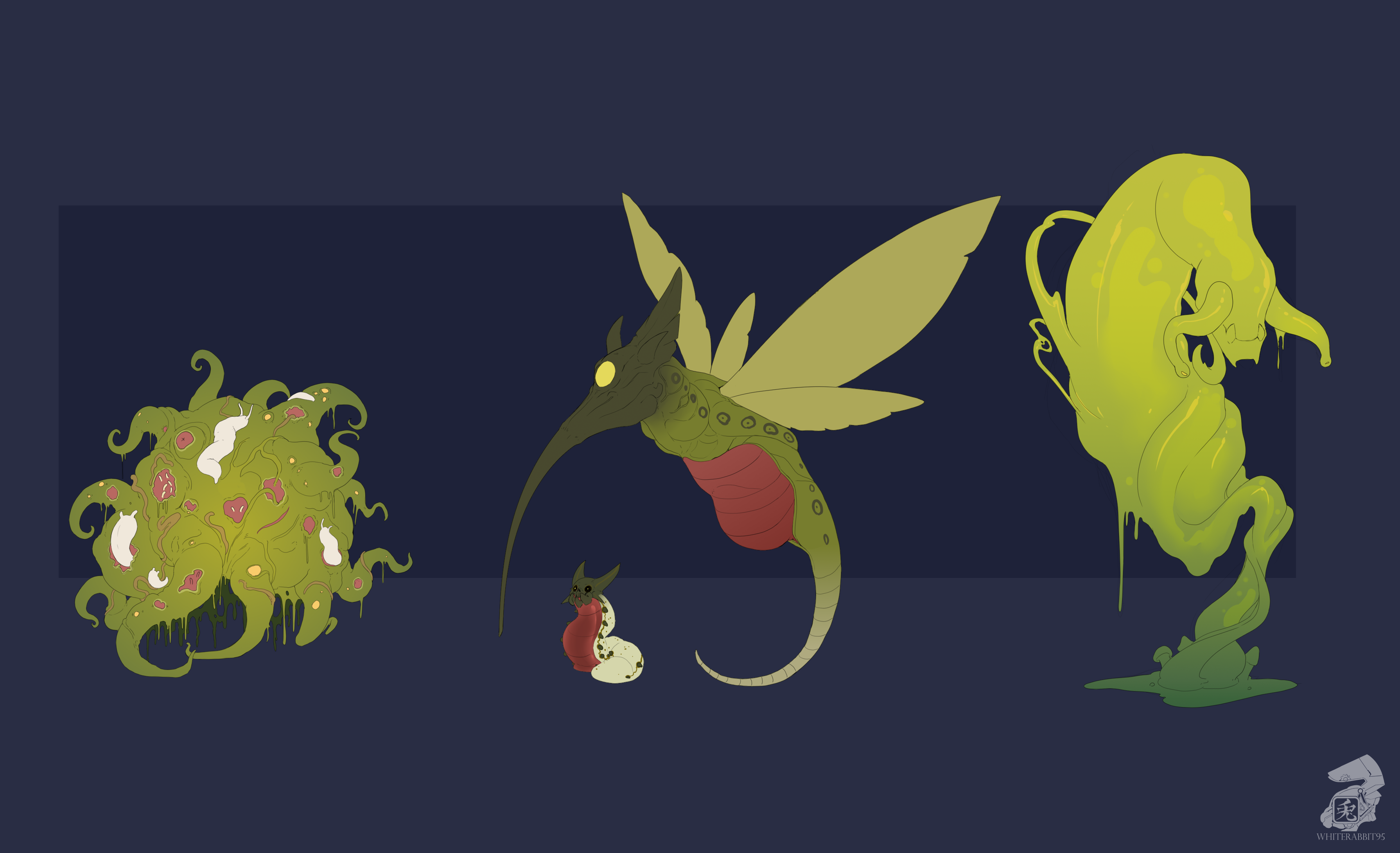
It's a category of degraded Void-born entities whose existence emerges from fear and aversion to disease, parasitism, and decay.
Flesh Mobs, also known as plague sacks, are walking clusters of living teratomas, tumours, and fused abscesses. Their sole purpose is to spread disease.
Nightmares are insectoid parasites that are born inside the mind of those who have been damaged by a Void tear. They feed on the host’s deepest fears until they incubate and grow, consuming the brain from within. When they emerge, they do so in the form of a larva that continues developing by feeding on living flesh. Their adult form rises into the air using a sharp proboscis to inject diseases and an anesthetic serum that leaves victims motionless while they are liquefied and devoured.
Slugs are masses of toxic sludge formed from chemical and infectious waste that accumulates around an unstable organic core. They thrive in heavily contaminated areas and multiply out of control when no sanitary barriers are present. Terrans and Barboslides usually eliminate or drive them away, but their existence is still useful, as they consume toxins, industrial waste, and biological remains. Because of this, they are sometimes captured and relocated to serve as natural recyclers, a desperate solution to problems no one wants to face.
The Primordials are the first entities of the Void, born long before it became what it is today. They lacked thought or purpose. They knew nothing of desire, will, or structure. They simply drifted in an eternal sea of nothingness, immutable and indifferent to anything that might exist. However, as time passed, the emotions, impulses, and obsessions of sapient species began to seep through the rifts that connect reality to the Void.
What was once formless began to adopt “curious” shapes. Their bodies are nothing more than warped projections of desires foreign to their own reality. Avathoth, the creator mother and goddess of fertility, is the clearest example of this. According to certain scholars, Avathoth is believed to be a divine mass embodying the Gelodians’ need for reproduction, multiplication, affection, and fresh flesh.
Some Decoluxis believe that the reason others go insane when staring into the Void through its rifts is because they have looked directly at the greater Primordials. That, and the simple fact that their minds cannot process what they are incapable of understanding.
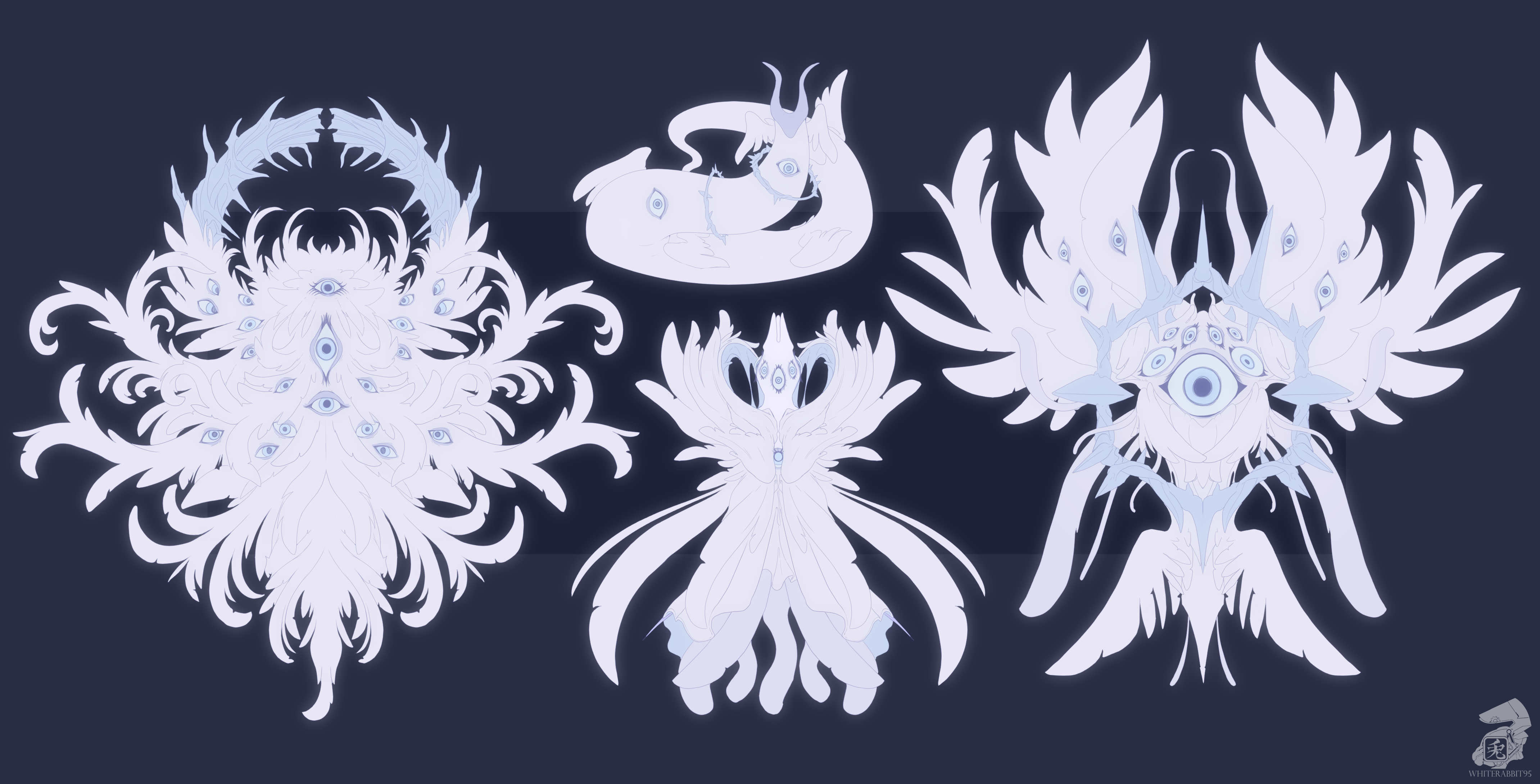
The greater Primordials rarely interfere with reality. They are silent spectators, mere observers when they manifest within the physical plane. Their desires or methods of communication are unclear, often expressed only through dreams or visions.
The lesser Primordials, however, are a different story. They crave firsthand experience, adopting avatars capable of maintaining a presence in reality without completely fracturing it. To them, beings of the physical plane are nothing more than fragile, noisy playthings. They make deals, manipulate others, and feed directly on the emotions of their hosts.
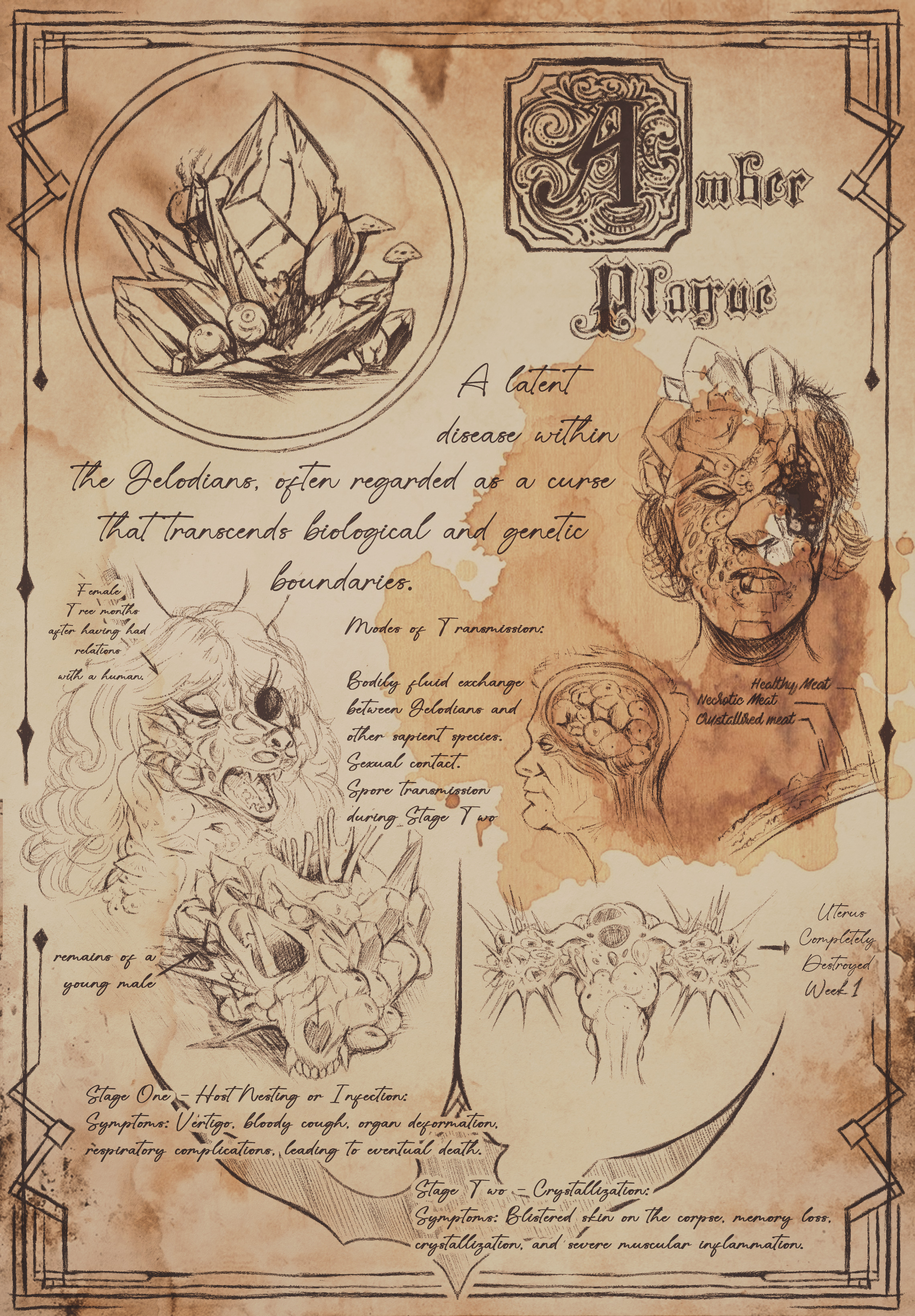
The Amber Plague, also known as Amber Rot, is not classified alongside the rest of the known Rot-afflicted due to its anomalous nature and pre-technological origin. The most widely accepted analyses suggest that its emergence is contemporaneous with the early development of the Nifelheim system and may even predate the first recorded contact with the Void. Its biological behavior indicates a form of life that defies conventional infectious cycles, exhibiting adaptations that oscillate between fungal, parasitic, and invasive-symbiotic.
The Amber Plague manifests exclusively in the presence of Amber Crystals formed in the mines due to arcane energy currents emanating from the Void. These formations are found throughout the system and serve as high-density batteries for weaponry, mobile devices, vehicles, and experimental pharmacology.
The Gelodians were unaware that the crystal mines function as latent biological reservoirs capable of accumulating and releasing microscopic spores. The first infections were mistakenly classified as pneumonias related to mineral dust. Decades later, the plague escalated into a full-blown systemic pandemic during the period leading up to the Thousand-Year War, exacerbated by inter-species sexual fluid exchange practices promoted by House Lumis.
In the present day, following the end of the Thousand-Year War, containment efforts have succeeded in controlling major outbreaks within the primary Gelidium mines. Nevertheless, Amber Rot remains present throughout the Nifelheim system as a dormant organism. Abandoned mines, ships lost during the conflicts, and depopulated regions serve as proliferation foci where unwary young travelers are frequently infected. It remains unknown whether the Plague replicates with a specific purpose or simply follows the patterns of other Void creatures across the system. Likewise, the apparent immunity displayed by certain biatencambis, badbloods, and lumens is still not fully understood.
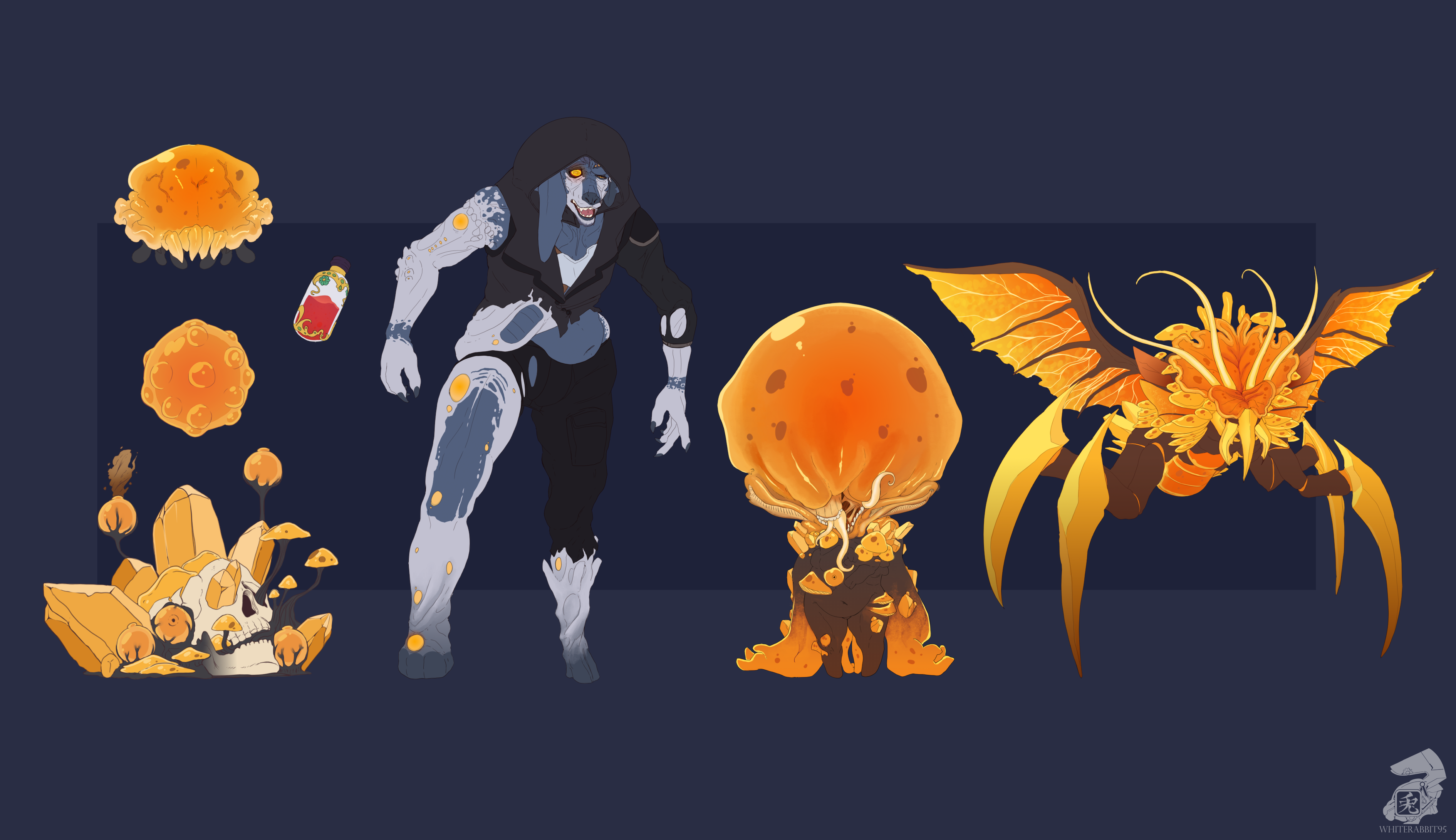
Although its cycle is predominantly fungal, the Amber Plague possesses a remarkably broad spectrum of transmission:
Symptoms are divided into two phases
At this stage, the host is no longer clinically considered “alive,” though residual post-mortem cognitive activity persists; the individual is no longer conscious of their actions.
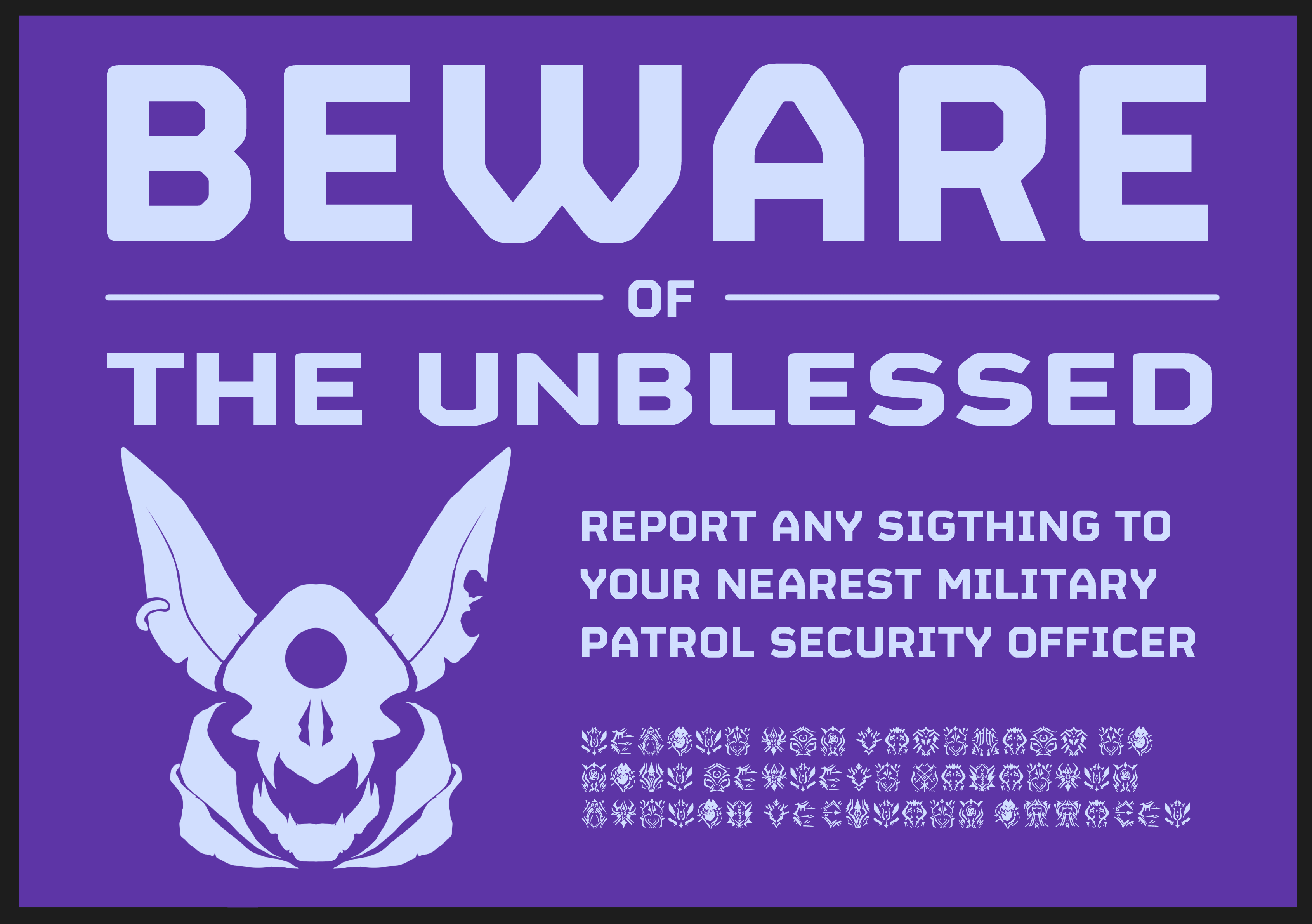
Due to the prolonged coexistence between the species of Nifelheim and the manifestations of the Void, a wide diversity of institutional and cultural responses has emerged. Each civilization has developed its own containment protocols, shaped by its beliefs and societal structure.
Among the Gelodians, the Church of Silver serves as the first line of observation and evaluation for any disturbance associated with dimensional rifts. The protocol is strict and almost immediate: once an anomaly is identified, the Royal Guard is deployed without delay to seal the tear and neutralize the threat.
In stark contrast, the Nexusterra Empire adopts a far more utilitarian approach that has sparked diplomatic and social controversy on more than one occasion. Terrans regard Void creatures not only as dangers but also as potential resources. Their militaristic tradition and obsession with technological superiority have driven programs of controlled capture, behavioral experimentation, and in-depth analysis. Results have been mixed, ranging from successful applications of arcane control to catastrophes that have forced entire regions into prolonged quarantine.
Other species in the system, lacking the dominant institutional intervention of the great powers, have opted for much more decentralized strategies. In frontier colonies and isolated stations, communities of independent hunters and exterminators have arisen, groups that earn their living by offering specialized services in the elimination of lesser Void creatures. Their mortality rate is extremely high, for facing the Void without the proper infrastructure of the major powers is a constant gamble with death. Yet, in the absence of any significant presence from the two superpowers, they are often the only thing standing between a rift and total devastation.
